
Investing in Students and Highlighting the Strength of Southwest Minnesota
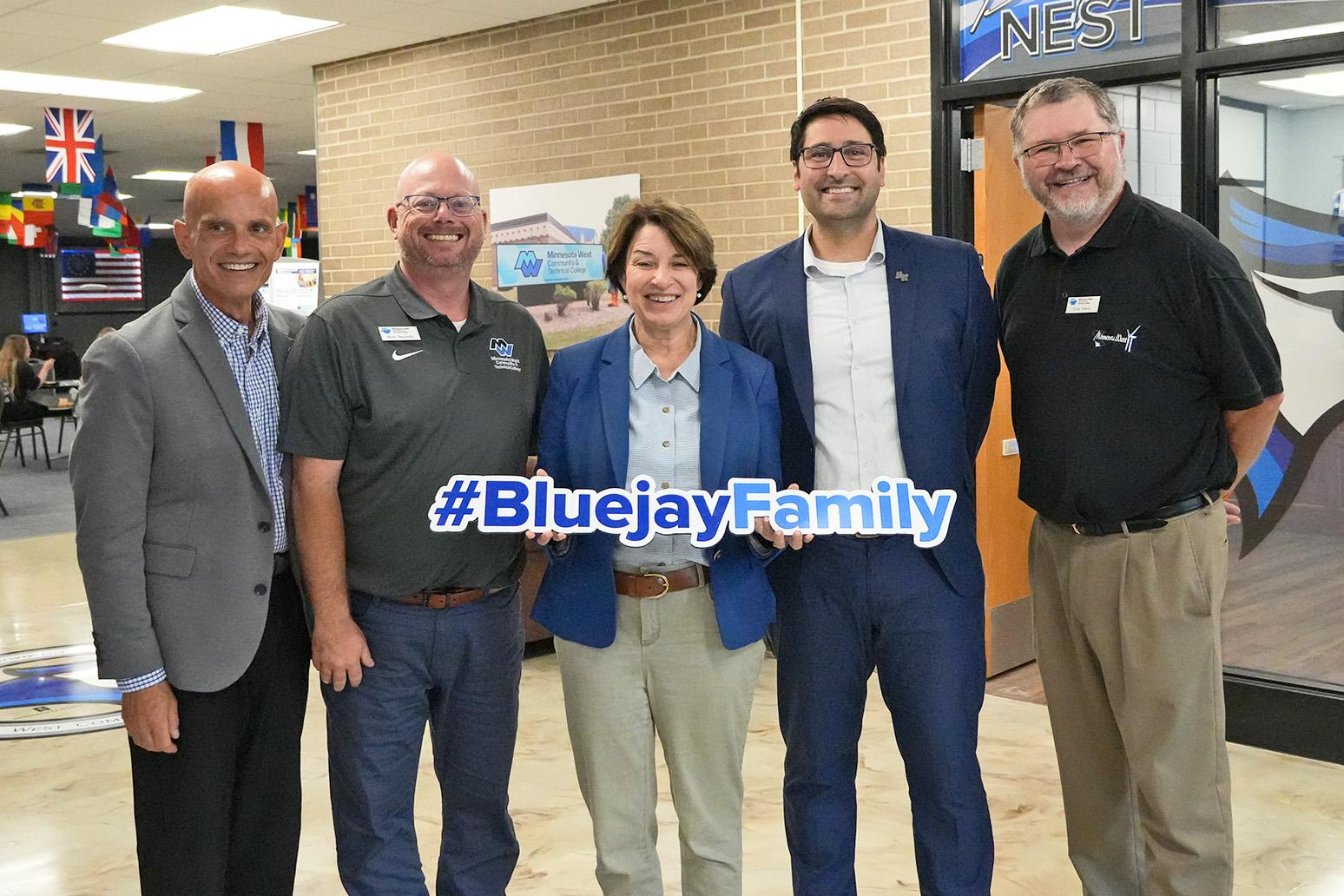
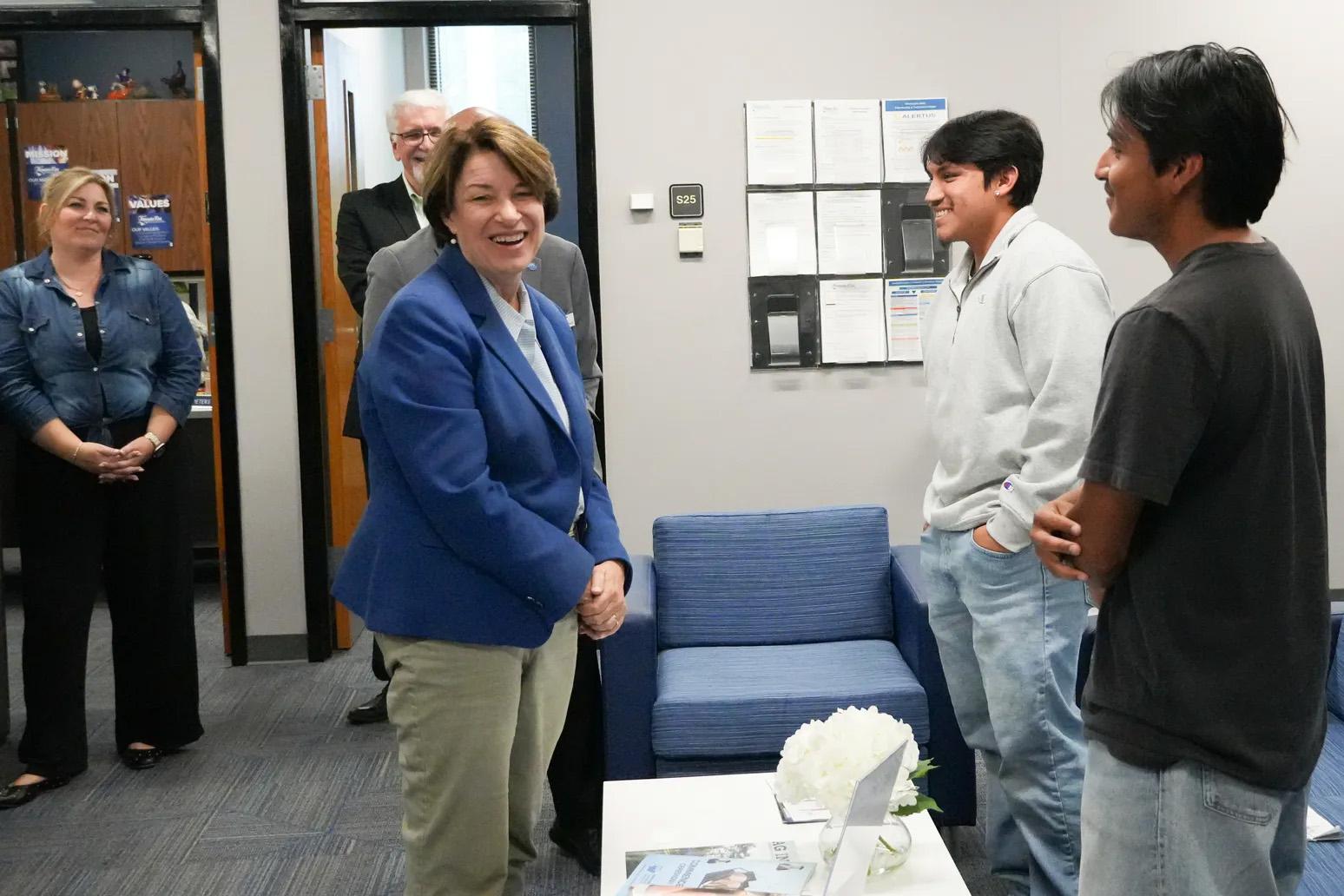
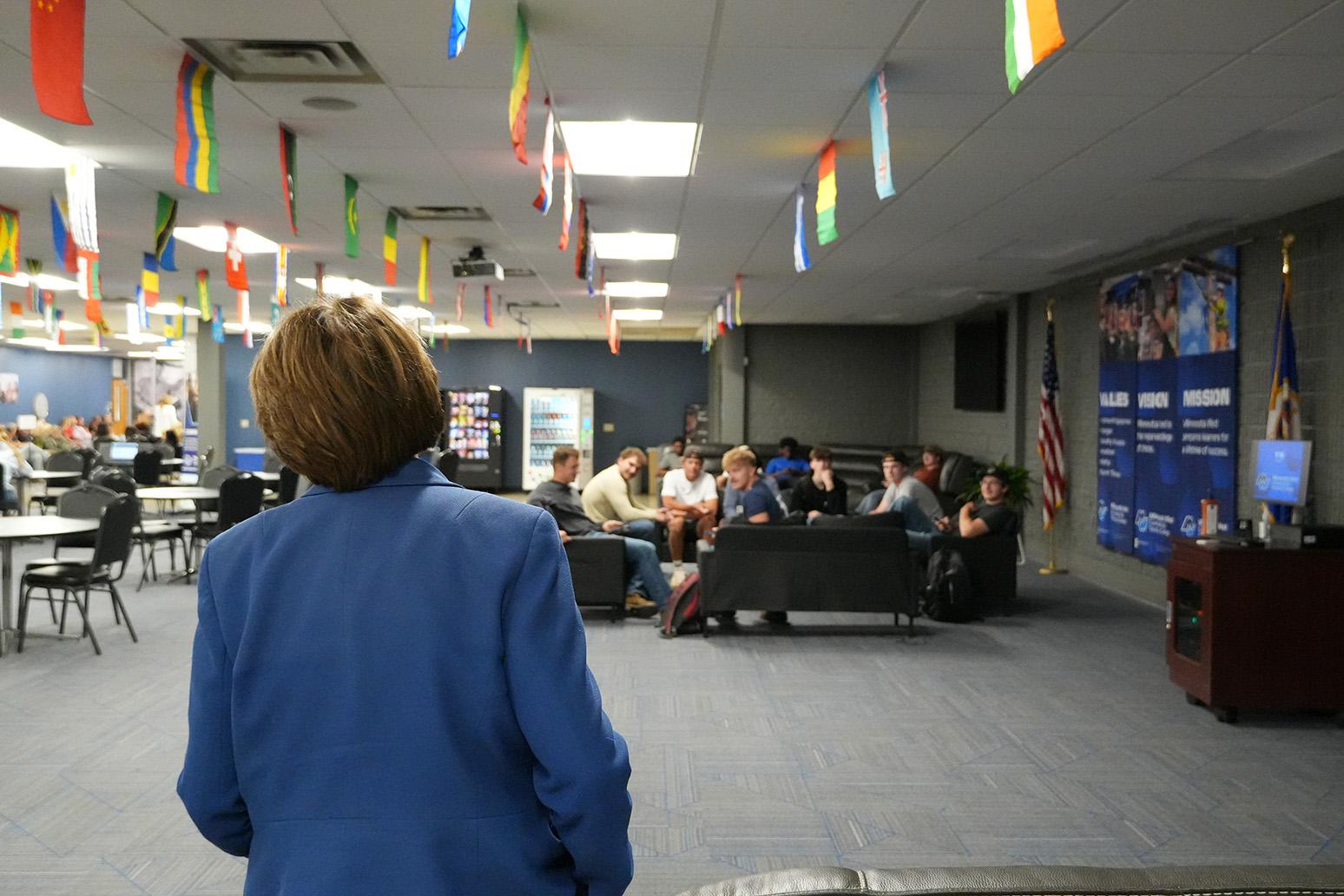
As part of her nine-county rural economy tour across southwest Minnesota, U.S. Senator Amy Klobuchar visited Minnesota West Community & Technical College's Jackson campus to learn firsthand how education, workforce training, and community partnerships prepare students for successful careers and strengthen rural communities. During her visit, she met with students, instructors, and college leaders to better understand the opportunities and challenges facing both higher education and workforce development across the region.
What the Senator found was a college filled with purpose, opportunity, and people who are passionate about helping students succeed.
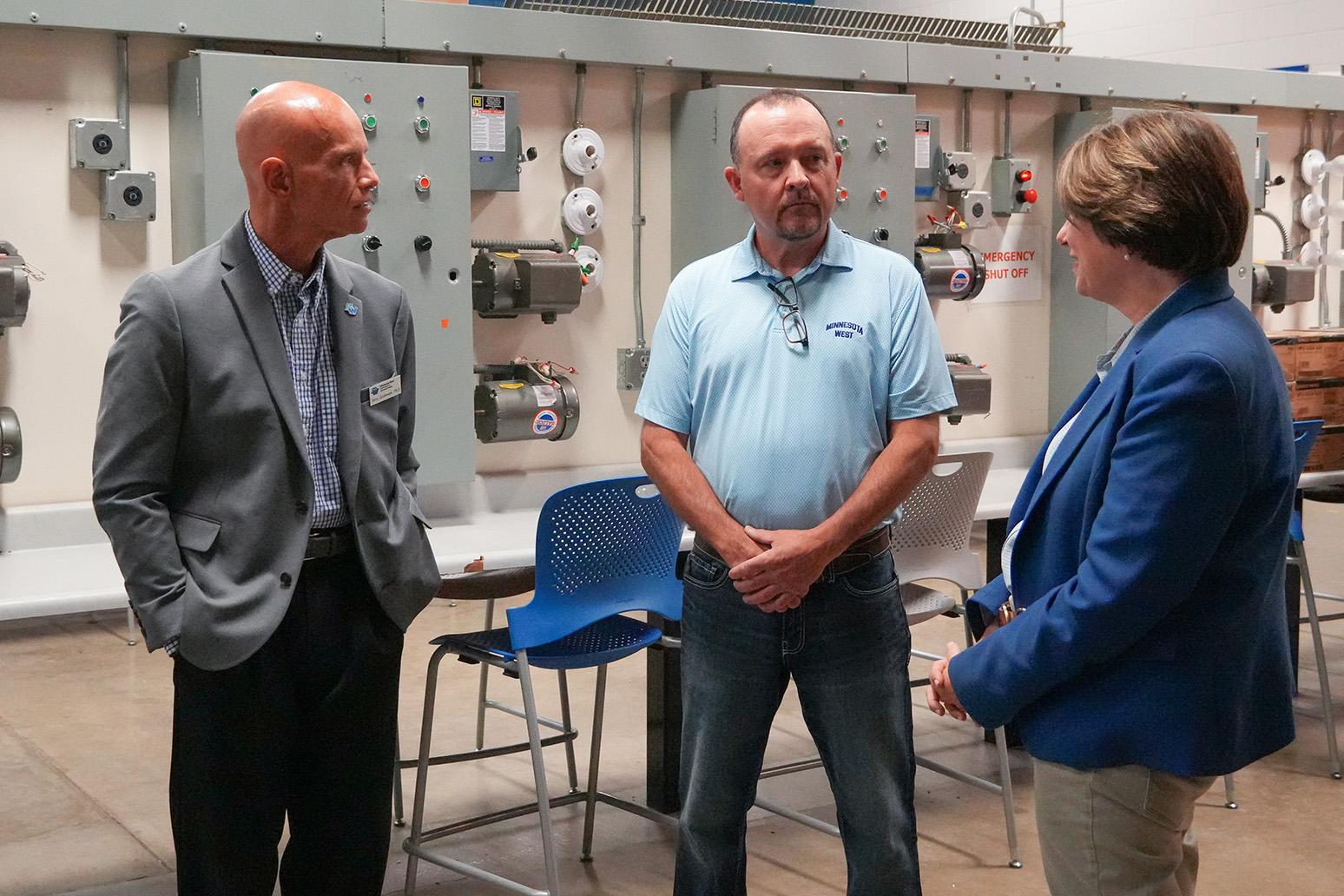
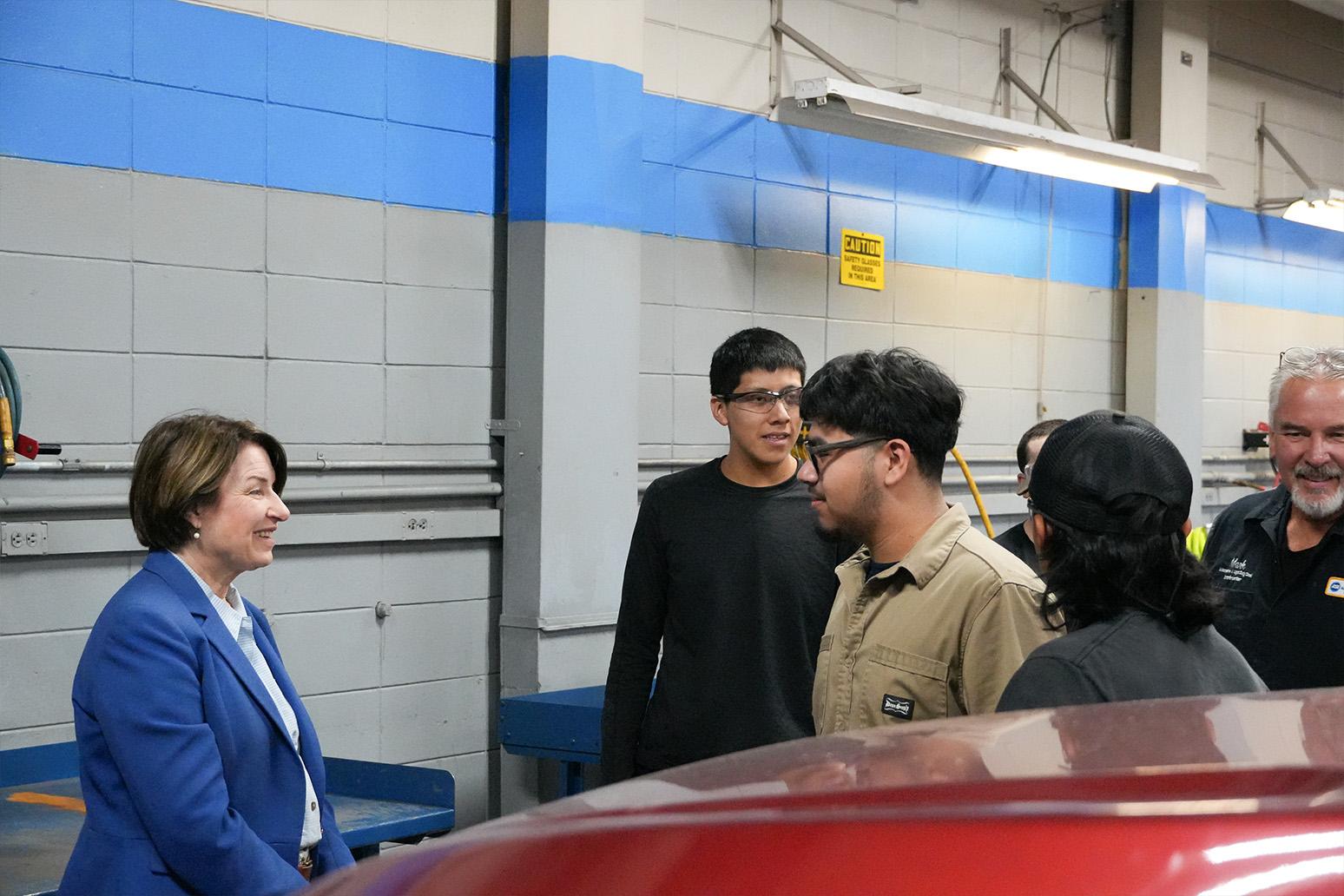
As Klobuchar toured the Jackson campus, she visited classrooms and training labs for Information Technology, Welding, Electrical, Cosmetology, Powerline Technology, and Automotive Technology. In every space, she met students preparing for careers that are essential to the future of rural communities.
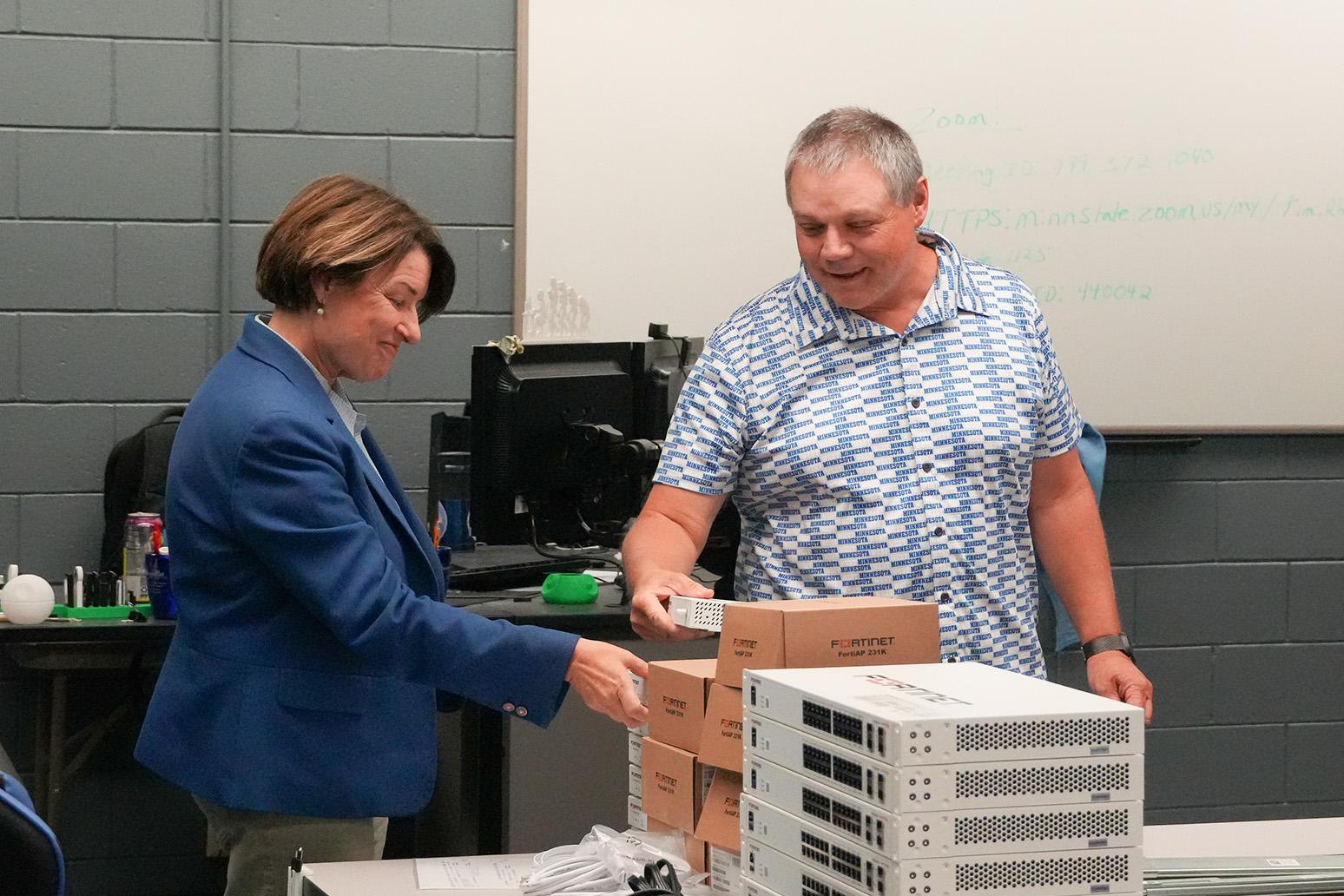
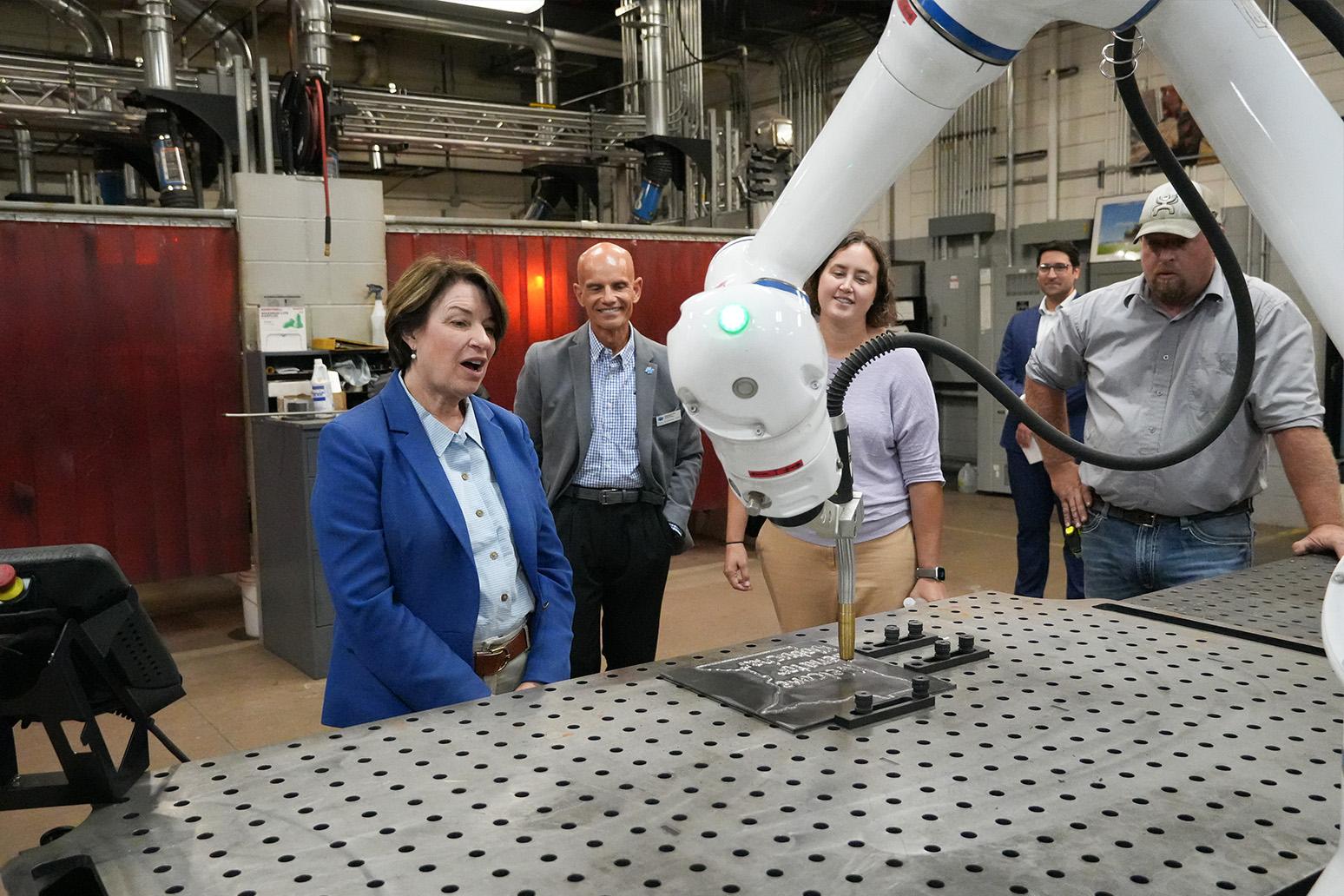
In the welding lab, Klobuchar watched the college's newest grant-funded collaborative robot in action. She asked questions, spoke with instructor Jeremy Hall, and learned how the program is preparing students for an industry that continues to evolve with new technology. Nearby, Information Technology instructor Tim Rhodes discussed the growing role of artificial intelligence and the importance of skilled professionals who can use technology to solve real-world problems.
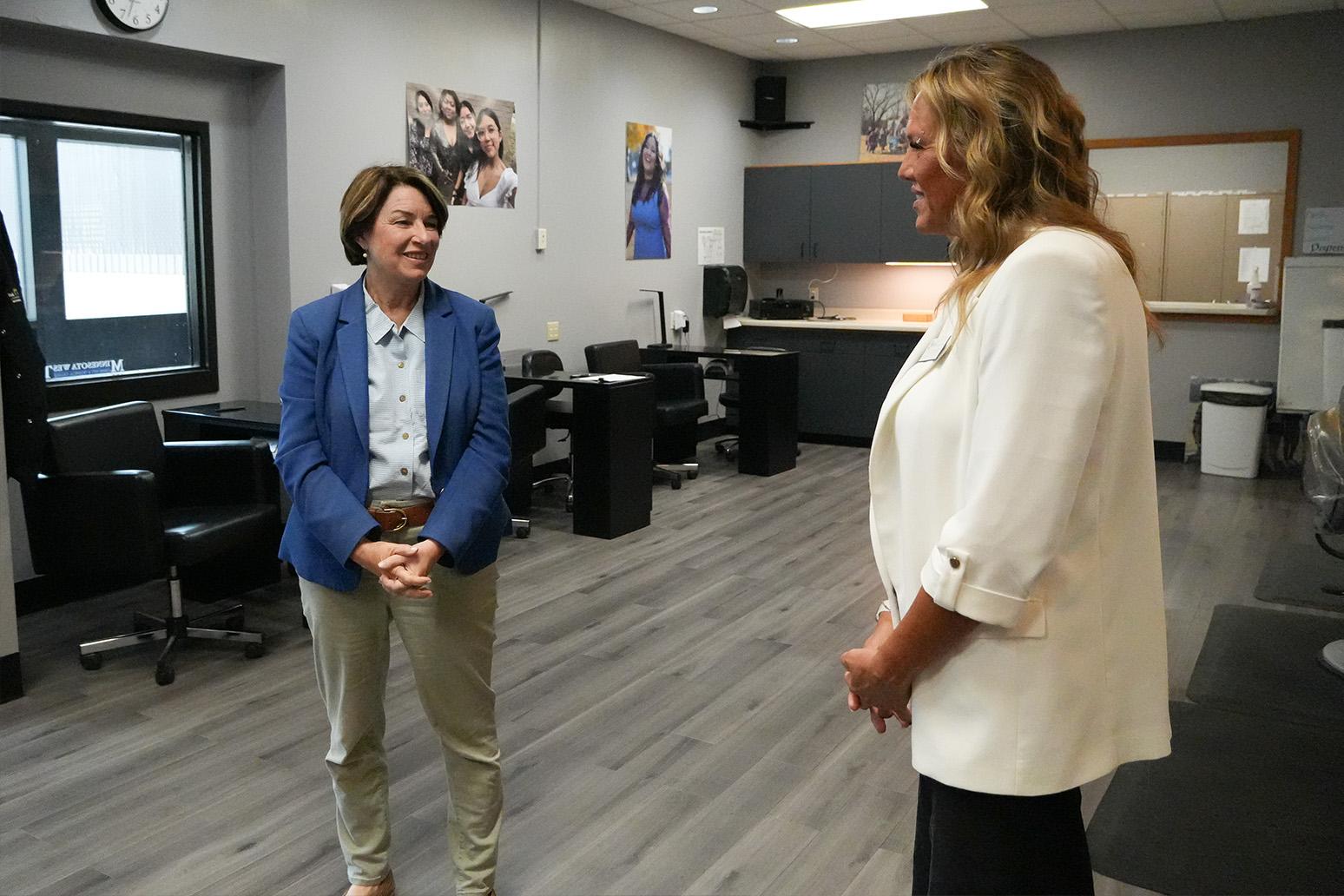
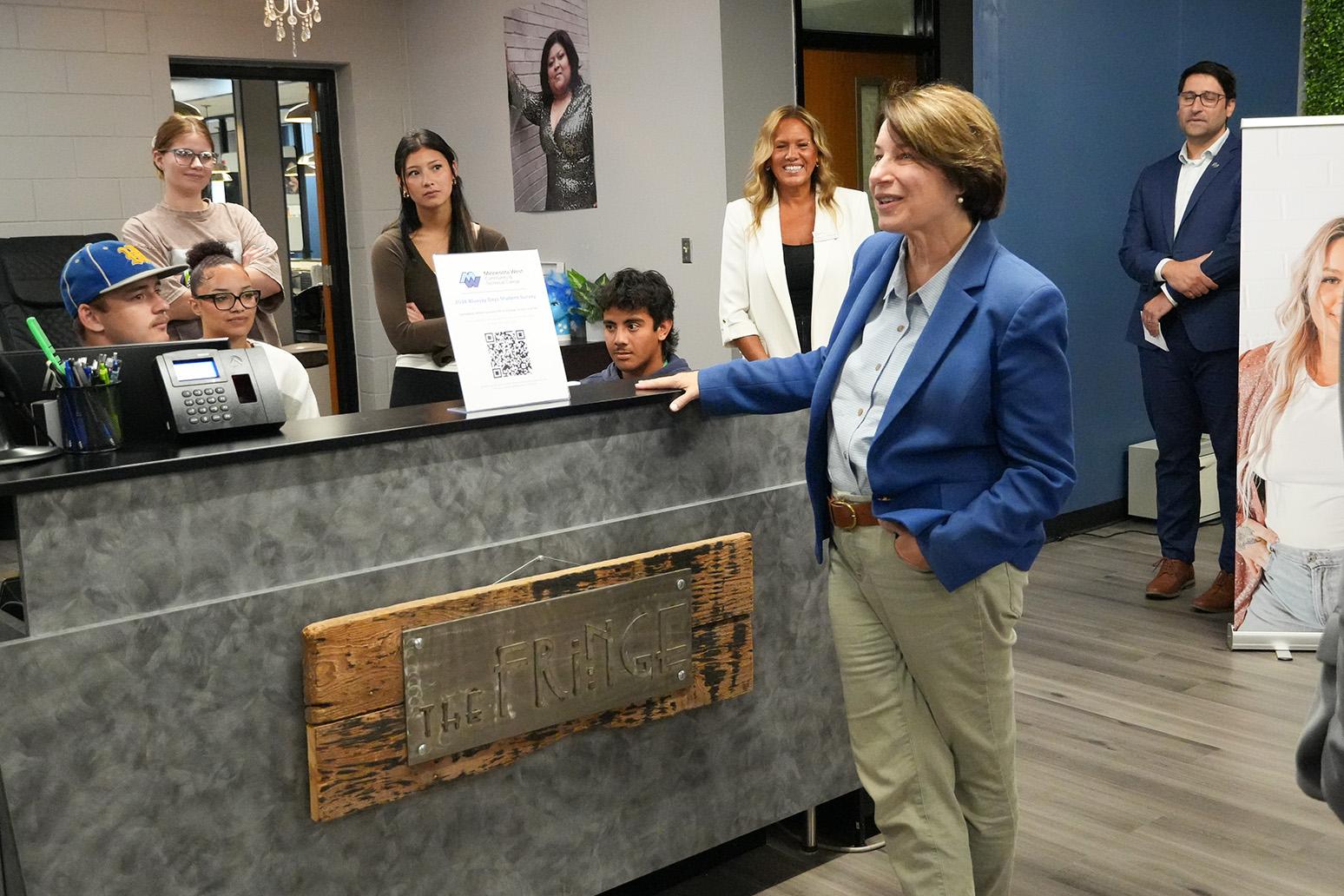
The tour stopped into the Cosmetology program, where program coordinator Danylle Espenson shared the excitement surrounding a new group of students enrolled in cosmetology, esthetics, nail technology, and hair certificate programs. Klobuchar learned about the hands-on learning opportunities that help students gain confidence while developing professional skills.
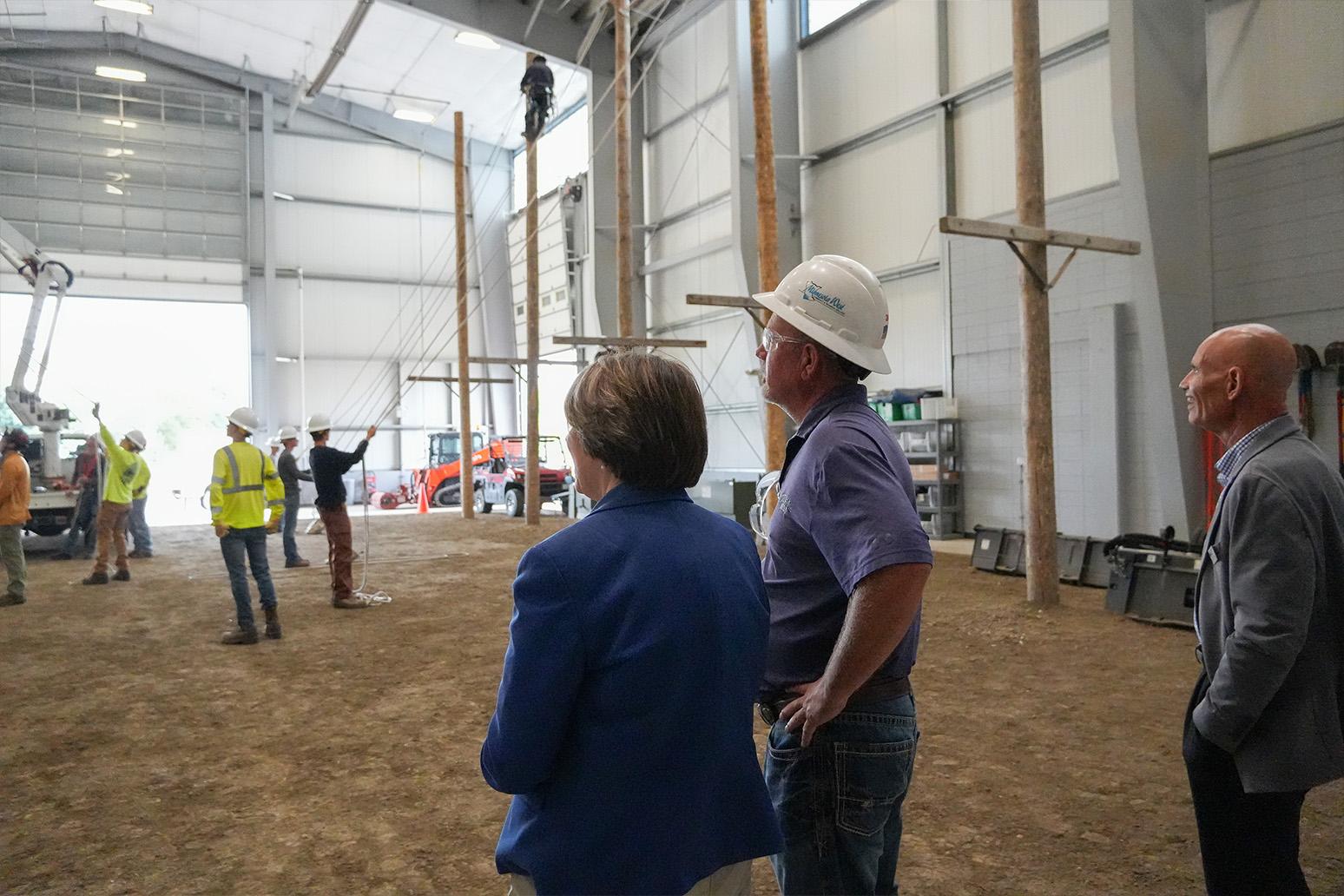
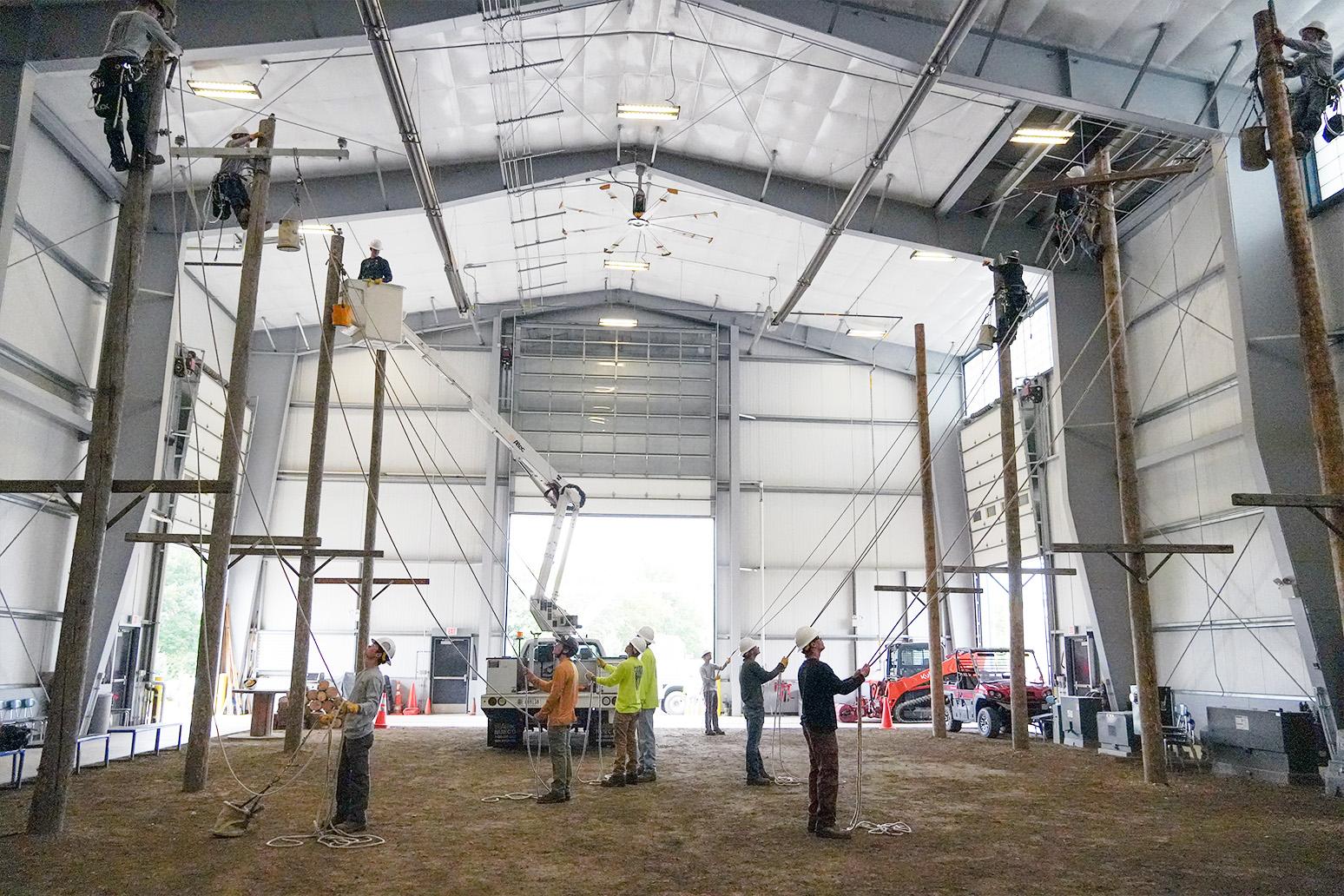
Standing inside the impressive Powerline Technology indoor training center, Klobuchar saw firsthand how students gain practical experience before entering the workforce. Instructor Doug Schuett explained that most students have jobs lined up before graduation. With strong demand across the country, graduates can find opportunities almost anywhere and build rewarding careers with excellent opportunities for growth and advancement.
Speaking directly to the students, Klobuchar told them they had chosen an excellent career path. The students agreed they were proud to be learning in a facility that provides such unique hands-on experiences. Klobuchar noted that while many students pursue traditional career paths, the workforce urgently needs electricians, lineworkers, welders, and other skilled trades professionals.
Minnesota West President Terry Gaalswyk described the Jackson campus as a major hub for career and technical education. He shared how the college works closely with area high schools to provide students with opportunities to earn substantial college credit while still in high school. These partnerships help students save money, gain valuable experience, and begin building their careers sooner.
But the visit was about more than classrooms and career training.
Student Services Advisor and Disability & Accessibility Coordinator Brian Reynolds helped Klobuchar understand some of the challenges students face outside of class. Food insecurity, transportation barriers, accessibility needs, mental health concerns, and financial aid challenges can all make it difficult for students to stay on track toward graduation.
Student Services Specialist Jamie Doescher showcased the campus food pantry, which provides ready-to-eat meals, pantry staples, and personal care items for students in need. Supported through both donations and college funding, the pantry ensures students can focus on learning without worrying about where their next meal will come from.
Reynolds also discussed the increasing need for disability services and accommodations. Through grant funding, Minnesota West has purchased private testing pods to create additional space for students who need specialized testing environments. Conversations also highlighted the college's mental health resources, including free counseling services and partnerships that provide students with additional support and peer connections.
Throughout the day, one message became clear: student success requires an entire community working together.
That spirit of partnership is especially evident in Minnesota West's long-standing relationship with the Southwest Minnesota Private Industry Council (SW MN PIC). Together, the organizations help strengthen the workforce and economy across a 14-county region.
Minnesota West provides the education and training. SW MN PIC helps connect students, job seekers, employers, and community resources. Through grant-funded partnerships, they create pathways into careers in healthcare, manufacturing, agriculture, and skilled trades. They help make training affordable, and often free, for participants who want to improve their lives and strengthen their communities.
Their collaboration extends to high school students as well. Events like Breaking Traditions introduce young people to technical and nontraditional careers through hands-on activities that help them envision futures they may never have considered. These efforts create opportunities for students while addressing workforce needs across southwest Minnesota.
The partnership also supports veterans, dislocated workers, low-income learners, and adult students seeking new career opportunities. By connecting education, career planning, funding assistance, and employer relationships, Minnesota West and SW MN PIC help remove barriers that might otherwise prevent individuals from reaching their goals.
As conversations turned toward workforce development, agriculture, and regional economic growth, it became clear that the success of Minnesota West extends far beyond its campus walls. The college works alongside businesses, school districts, community organizations, employers, and workforce partners to ensure southwest Minnesota remains strong, resilient, and prepared for the future.
By the end of her visit, Klobuchar said she was impressed by the practical, hands-on training taking place throughout the college. She saw students learning skills that are directly connected to local workforce needs and instructors who are dedicated to helping them succeed.
Most importantly, the visit highlighted something that communities across southwest Minnesota understand well: when educators, workforce partners, employers, and local communities work together, students have greater opportunities to succeed. Those partnerships not only support individual students but also strengthen the region's workforce, economy, and quality of life for generations to come.